TrackToWinTrackToWinAgency performance, planning, and reporting in one operating layer.
TrackToWin for modern agencies

Scroll through the features that run planning, ramp, compensation, and COI follow-up together.

The homepage should feel like a guided product tour. Start at office planning, move through new-hire development plans, see how commission logic stays readable, and finish with COI tracking that shows who is actually driving business.

Office planning30-60-90 development plansCommission builder + subtractorsCOI touch and close tracking
One operating layerPlan, coach, review, and follow up without splitting the story.
Built for the scrollEvery section should make the next feature feel worth exploring.
Explore the operating layers

Make the scroll feel like a guided walk through the product.

This is where the page shifts from a promise into actual features. Each stop introduces a part of the workflow the agency can run inside TrackToWin.

01Planning

Set targets by office and line of business.

Start with the agency plan, then keep pace, follow-up, and review in the same operating layer.

02Development plans

Show the full 30-60-90 ramp in one live canvas.

Give new hires visible checkpoints instead of spreading coaching across side docs and manager memory.

03Compensation

Make plan logic readable.

Keep subtractors, scorecards, gates, and chargebacks clear enough for leadership to review fast.

04COI tracking

Track relationship activity and what actually closes.

See how often referral partners are touched and how much production their relationships are driving.

Planning

Set office targets and manage pace from the same system.

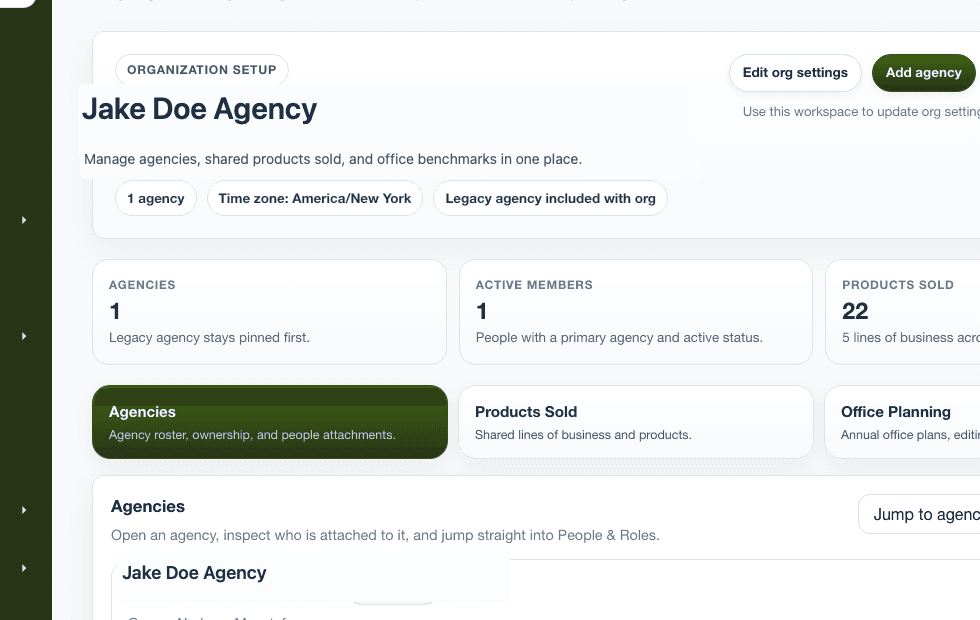
TrackToWin keeps annual planning, office targets, and live pace-to-goal context tied together so agency leaders can manage the month instead of rebuilding the story from spreadsheets.

  • Plan by office and line of business without collapsing everything into one blended target.
  • See the gap early enough to coach the week instead of explaining the month after it already drifted.
  • Keep planning connected to reporting, coaching, and the daily workspace.
TrackToWin office planning and agency setup workspace
PlanningOffice view
AgenciesOffice planningTargets
Development plans

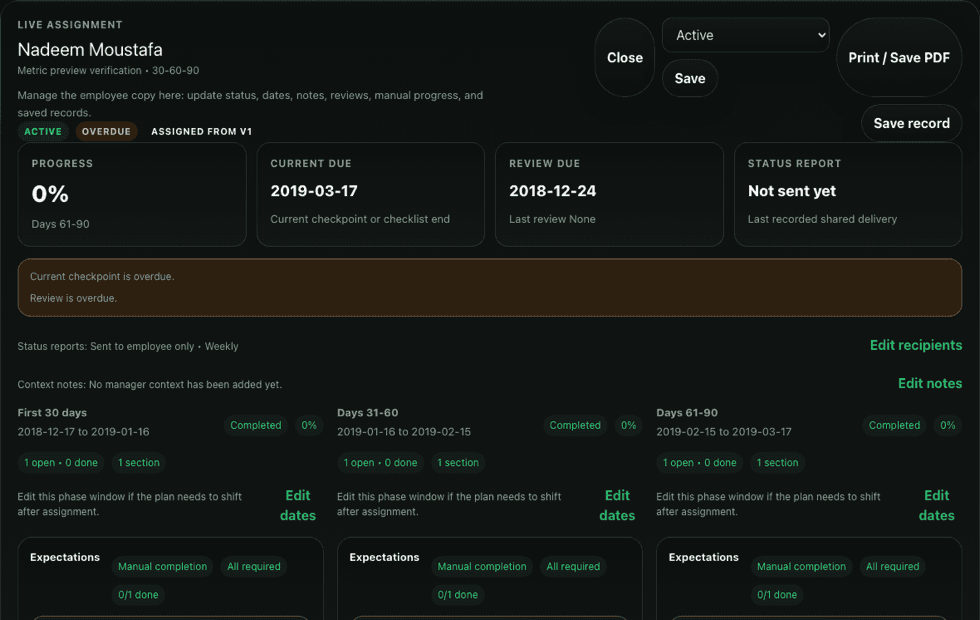
Launch a real 30-60-90 ramp with all three checkpoints visible.

This is built for new-hire ramp and coaching structure. Leaders can open one view and immediately see the first 30 days, days 31-60, and days 61-90 instead of piecing onboarding together from separate templates and follow-up notes.

  • First 30 days keeps onboarding, baseline habits, and early production expectations in one checkpoint.
  • Days 31-60 turns early activity into repeatable output with visible coaching and consistency goals.
  • Days 61-90 shows readiness, accountability, and ramp completion before the quarter ends.
TrackToWin 30-60-90 development plan canvas with First 30 days, Days 31-60, and Days 61-90 checkpoints
Development plans30-60-90 ramp
First 30 daysDays 31-60Days 61-90
Compensation

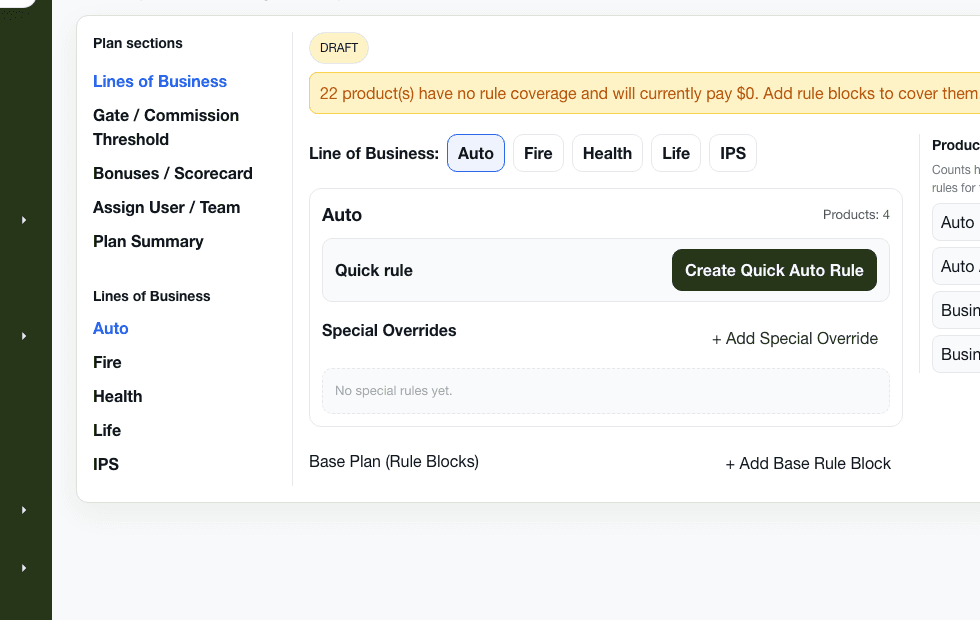
Keep commission logic readable when the plan gets real.

The builder is designed so owners and operators can review what changes payout without tracing private spreadsheet formulas. This is where the plan logic becomes visible, maintainable, and easier to trust.

  • Build and review the same compensation story inside one structured workflow.
  • Keep rule changes visible before payroll week turns into a reactive cleanup exercise.
  • Tie payout logic back to the operating system the agency already uses every day.
SubtractorsHandle non-payable adjustments and negative offsets without hiding them in spreadsheet math.
ScorecardsKeep performance requirements and payout logic tied together in the same readable plan.
GatesControl eligibility with thresholds that are easy to explain and audit with leadership.
ChargebacksMake retention drag part of the plan logic instead of an after-the-fact payroll surprise.
TrackToWin commission builder showing a live compensation workflow
CompensationBuilder view
Quick rulesScorecardsChargebacks
COI tracking

Track how often you stay in front of referral partners and what actually closes.

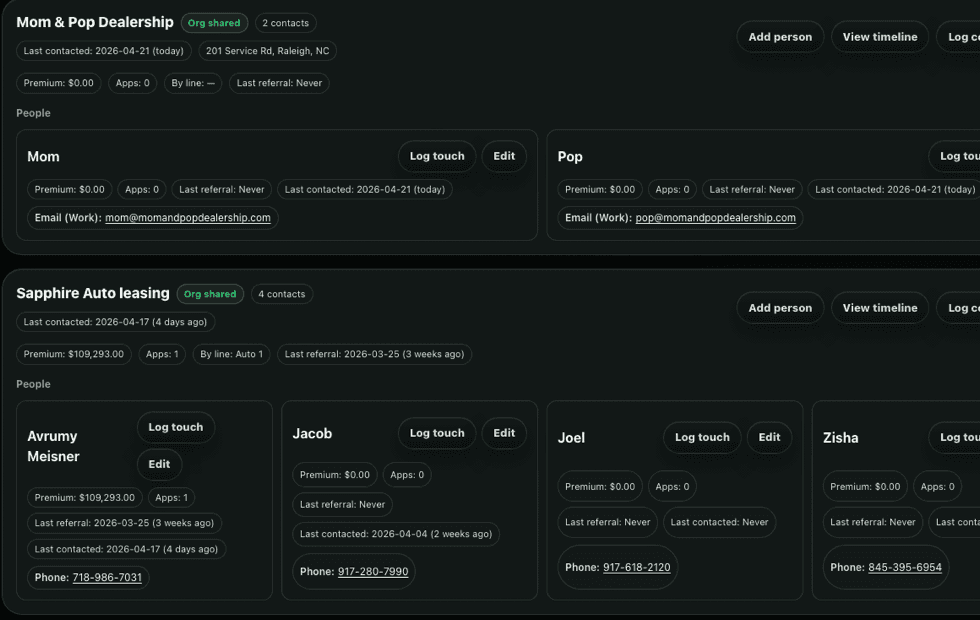
Keep the real estate agent who always refers business in one working record. Track touches, last-contact history, and the production that came from that relationship so the agency can see who is actually creating momentum.

  • Track organizations and the employee contacts inside each center of influence.
  • Log calls, meetings, texts, and follow-up cadence so relationship activity is not guesswork.
  • See production, apps, and closed business tied back to each COI instead of sitting in disconnected notes.
TrackToWin center of influence tracking view showing organizations, contacts, and production context
COI trackingRelationship view
OrganizationsTouchesProduction
Still one product story

Wrap the scroll with insights and reporting that stay connected.

After planning, development, compensation, and COIs, the page should still make it obvious that personal insights and reporting live inside the same system.

Personal insights

Give each producer a view that feels personal instead of generic.

Benchmarks, development focus, compensation signals, and pacing stay in one place so coaching conversations do not start from a blank screen.

  • Pace to goal
  • Weekly focus
  • Development plan visibility
Reporting

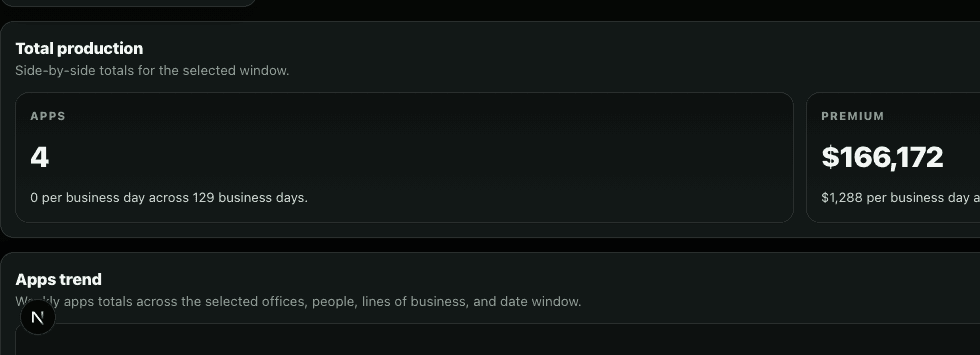
Move from signal to drill-in without leaving the same product story.

Production, COI performance, chargebacks, and saved views stay connected so the review path feels fast and current.

  • Premium and apps
  • COI performance
  • Chargeback review
Pricing

Start with the full product, then keep it live on one plan.

The pricing story belongs near the bottom, after the features have done the selling. Start with the real workspace during the 7-day trial, then subscribe without per-user seat games.

7-day full-featured trialUnlimited usersAdd offices as you grow
Trust and review

Keep security and review resources near the bottom where buyers expect them.

Security still matters, but it should read like a procurement and trust resource instead of competing with the product story above the fold.